
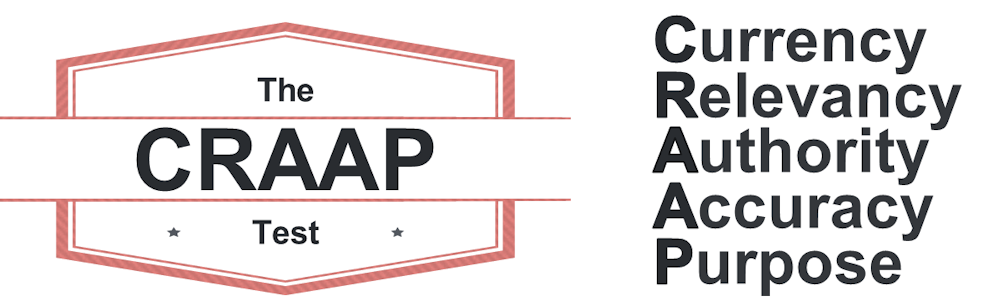
The CRAAP test lists criteria that can help you evaluate the quality and appropriateness of the information sources you encounter.
 When was the information published or posted?
Do you need historical or current information?
Has this information been revised or changed since it was first released?
BOTTOM LINE: Does this offer appropriately current or historical information?
Image: Bummer by Nick Harris1. Used under CC BY-ND
 Does the information help you accomplish the purpose of your work/paper? Does this easily relate to your topic?
Does this source meet all your information needs or assignment requirements?
Is this source at an appropriate level for your intended audience?
Have you looked at a variety of sources? Why is this source better than others?
BOTTOM LINE: Is this a source that adds value to your work? Why is it worth including?
Image: Confused by CollegeDegrees360. Used under CC BY-SA 2.0
Who is the author? Who is the publisher?
- What expertise do they have with this subject?
- What is their educational background?
- Where are they from? Where are they living now?
- What political party do they belong to?
- What organizations or causes do they support?
- Are there any other biases you can ascertain?
BOTTOM LINE: Can you trust this author and publisher to know what they’re talking about?
Image: [Man with Cameras] by i k o. Used under CC BY-NC-SA 2.0
Is this information correct? Reliable?
Are sources listed? Cited within the text?
- Are these sources scholarly/academic?
- When were these sources published?
- Do these sources come from trustworthy authors/publishers?
If the source conducted its own original research:
- What methods were used to collect the data/information?
- What was the sample size or population?
- Are there any weaknesses in the way that they gather or analyzed their data?
- Do you feel that they provided adequate support for their conclusions?
BOTTOM LINE: Can you trust that this information is true?
Image: Darts by Richard_of_England. Used under CC BY 2.0
What is the purpose of this information source?
- To entertain? Inform? Educate? Persuade? Sell?
- Are advertisements included? Photographs?
Is the information fact, opinion, or propaganda?
Do the authors/publishers make their intentions clear?
Is there bias – political, cultural, religious, ideological, personal, etc.?
BOTTOM LINE: Is this source objective and impartial, or is it influenced by bias or hidden agendas?
Image: “Is your trip necessary?” by Richard Masoner / Cyclelicious.Used under CC BY-SA 2.0.
The CRAAP test lists criteria that can help you evaluate the quality and appropriateness of the information sources you encounter.
When was the information published or posted?
Do you need historical or current information?
Has this information been revised or changed since it was first released?
BOTTOM LINE: Does this offer appropriately current or historical information?
Image: Bummer by Nick Harris1. Used under CC BY-ND
Does the information help you accomplish the purpose of your work/paper? Does this easily relate to your topic?
Does this source meet all your information needs or assignment requirements?
Is this source at an appropriate level for your intended audience?
Have you looked at a variety of sources? Why is this source better than others?
BOTTOM LINE: Is this a source that adds value to your work? Why is it worth including?
Image: Confused by CollegeDegrees360. Used under CC BY-SA 2.0
Who is the author?
Who is the publisher?
- What expertise do they have with this subject?
- What is their educational background?
- Where are they from? Where are they living now?
- What political party do they belong to?
- What organizations or causes do they support?
- Are there any other biases you can ascertain?
BOTTOM LINE: Can you trust this author and publisher to know what they’re talking about?
Image: [Man with Cameras] by i k o. Used under CC BY-NC-SA 2.0
Is this information correct? Reliable?
Are sources listed? Cited within the text?
- Are these sources scholarly/academic?
- When were these sources published?
- Do these sources come from trustworthy authors/publishers?
If the source conducted its own original research:
- What methods were used to collect the data/information?
- What was the sample size or population?
- Are there any weaknesses in the way that they gather or analyzed their data?
- Do you feel that they provided adequate support for their conclusions?
BOTTOM LINE: Can you trust that this information is true?
Image: Darts by Richard_of_England. Used under CC BY 2.0
What is the purpose of this information source?
- To entertain? Inform? Educate? Persuade? Sell?
- Are advertisements included? Photographs?
Is the information fact, opinion, or propaganda?
Do the authors/publishers make their intentions clear?
Is there bias – political, cultural, religious, ideological, personal, etc.?
BOTTOM LINE: Is this source objective and impartial, or is it influenced by bias or hidden agendas?
Image: “Is your trip necessary?” by Richard Masoner / Cyclelicious.Used under CC BY-SA 2.0.